Reflections from The Global Bioeconomy Summit 2026
The Global Bioeconomy Summit 2026 was in Dublin from 19-22 October. Experts in policy, industry, and sustainable research came together to discuss the transition to a sustainable bio-based economy. Now that the conference has ended, it is time to reflect on the activities, current knowledge and expertise in this sphere, and on the next steps to achieve a Global Bioeconomy that is just, sustainable, and fosters socio-economic development- the three pillars of the Bioeconomy Vision 2040.
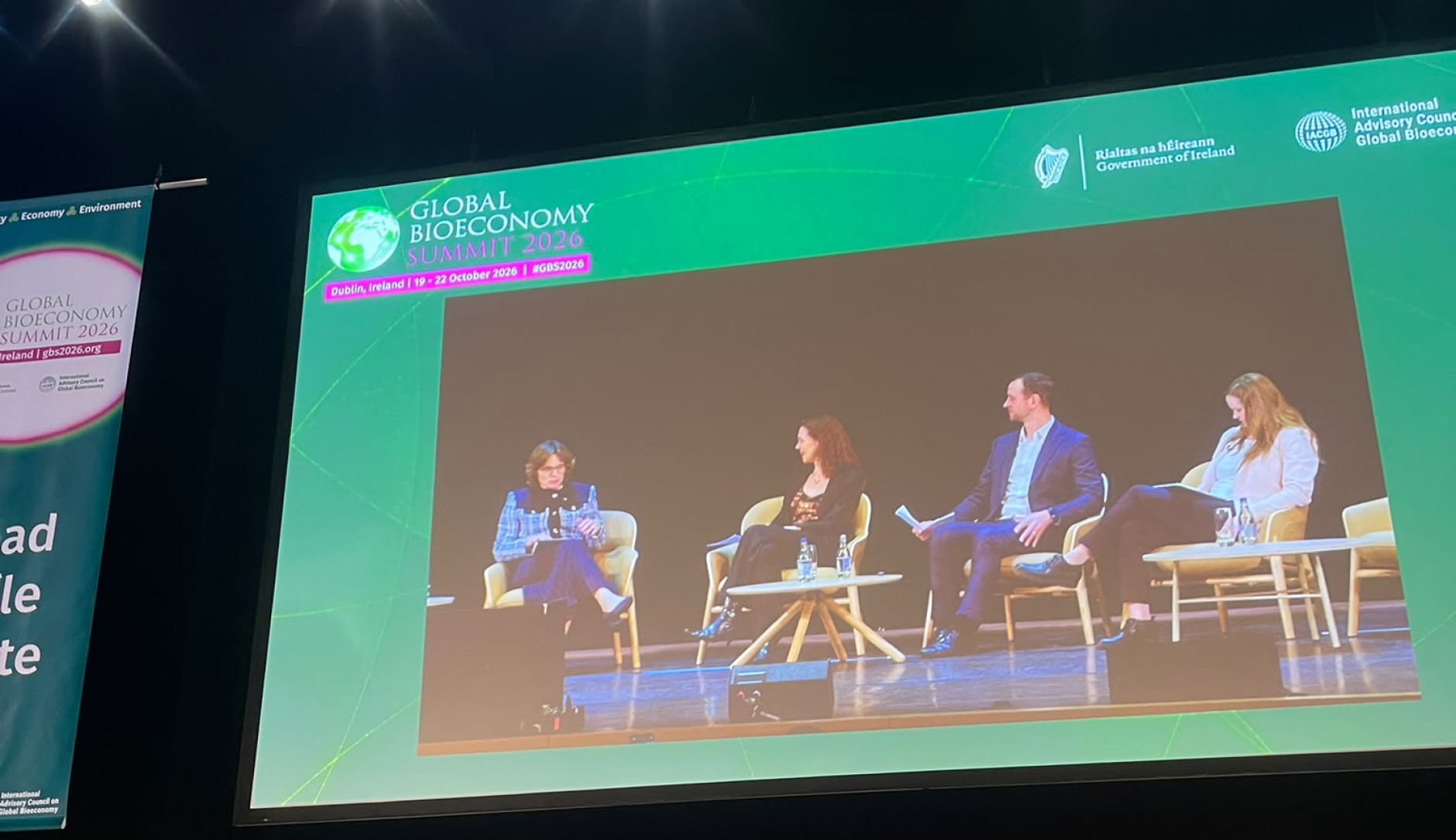
Volt Ireland co-lead, Nina van den Bergh, attended the Summit. During the conference, many innovative bio-based technologies were showcased, including building bricks made from hemp fibre, pencils that can grow into plants, and algae-based plastics. As the variety of technologies shows, there is no shortage of sustainable solutions which can contribute to a more environmentally friendly economy and society.
Continued investment in developing sustainable solutions is necessary; however, it is not the biggest obstacle to meeting climate targets. The main challenges to realising this economy are policy coherence, implementation, and scalability. Volt Ireland believes that a future-proof economy that is circular, uses sustainable technologies, increases equality, and creates jobs and market opportunities is vital. Therefore, clear long-term strategies and investment are crucial, and the government will play a major role in facilitating the sustainable transition.
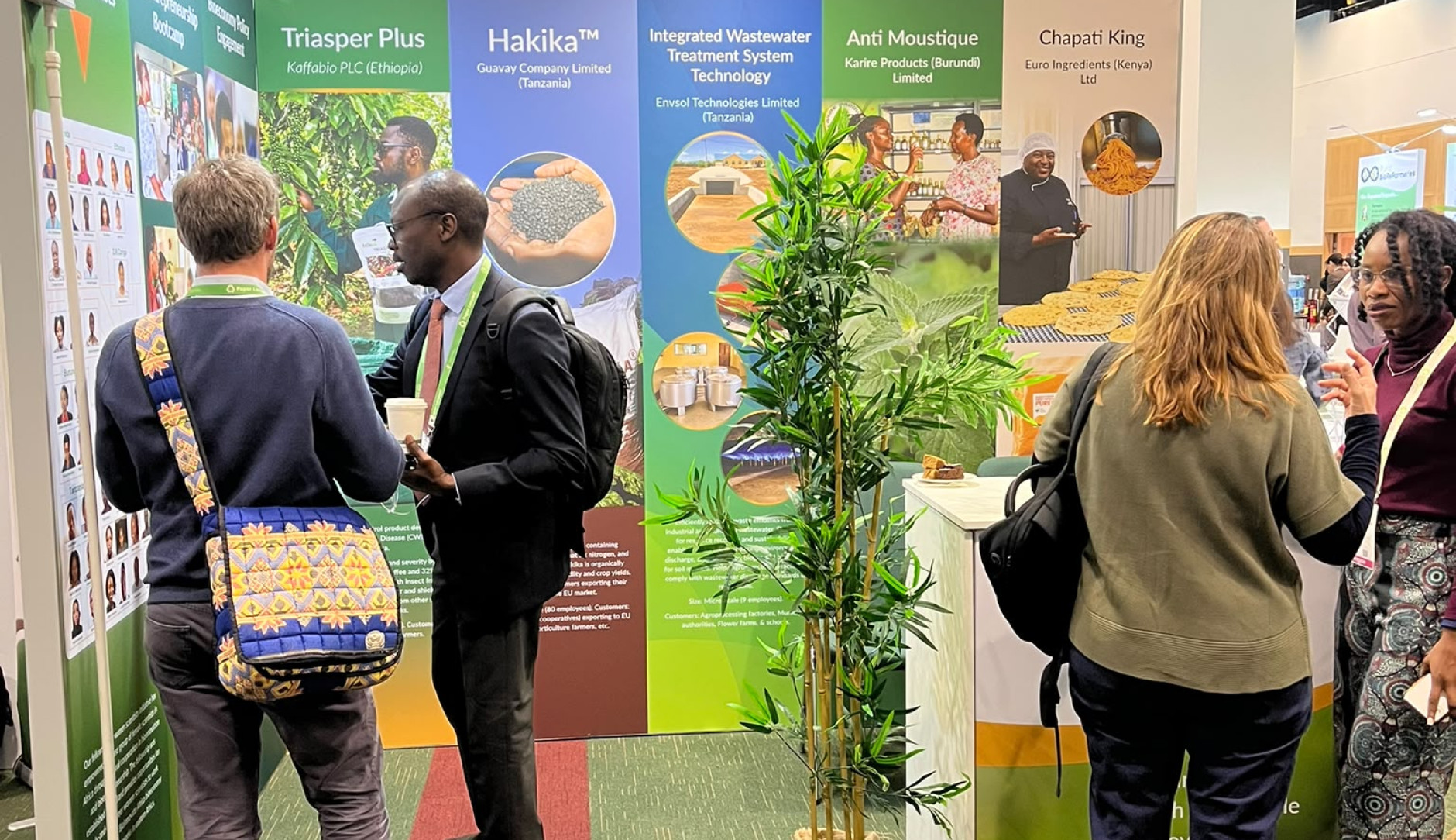
Knowledge exchange and international collaboration are essential to combat the obstacles, especially within the European Union. When implementing targeted policies, local knowledge and expertise must be better utilised, as local actors know the region best and what it needs. Collaboration and the exchange of best practices between similar EU regions are also vital, as they often face similar challenges.
Scientists alone cannot drive the sustainable transition; industry support is needed, and most importantly, stakeholder dialogue is needed to ensure local communities can profit from the transition, for instance, through job and industry creation and targeted reskilling and education programs for domestic workers.
Volt Ireland wants to facilitate the transition to create a sustainable Ireland for its citizens that future generations can also enjoy.