The Triple Lock: When Ireland’s Commitment to Peace Becomes an Obstacle to It
Volt Ireland supports removing the UN Security Council mandate requirement for overseas deployments of the Defence Forces. However, we believe this reform must be accompanied by clear statutory definitions of peacekeeping, peace enforcement and other forms of international security assistance, alongside meaningful democratic oversight.
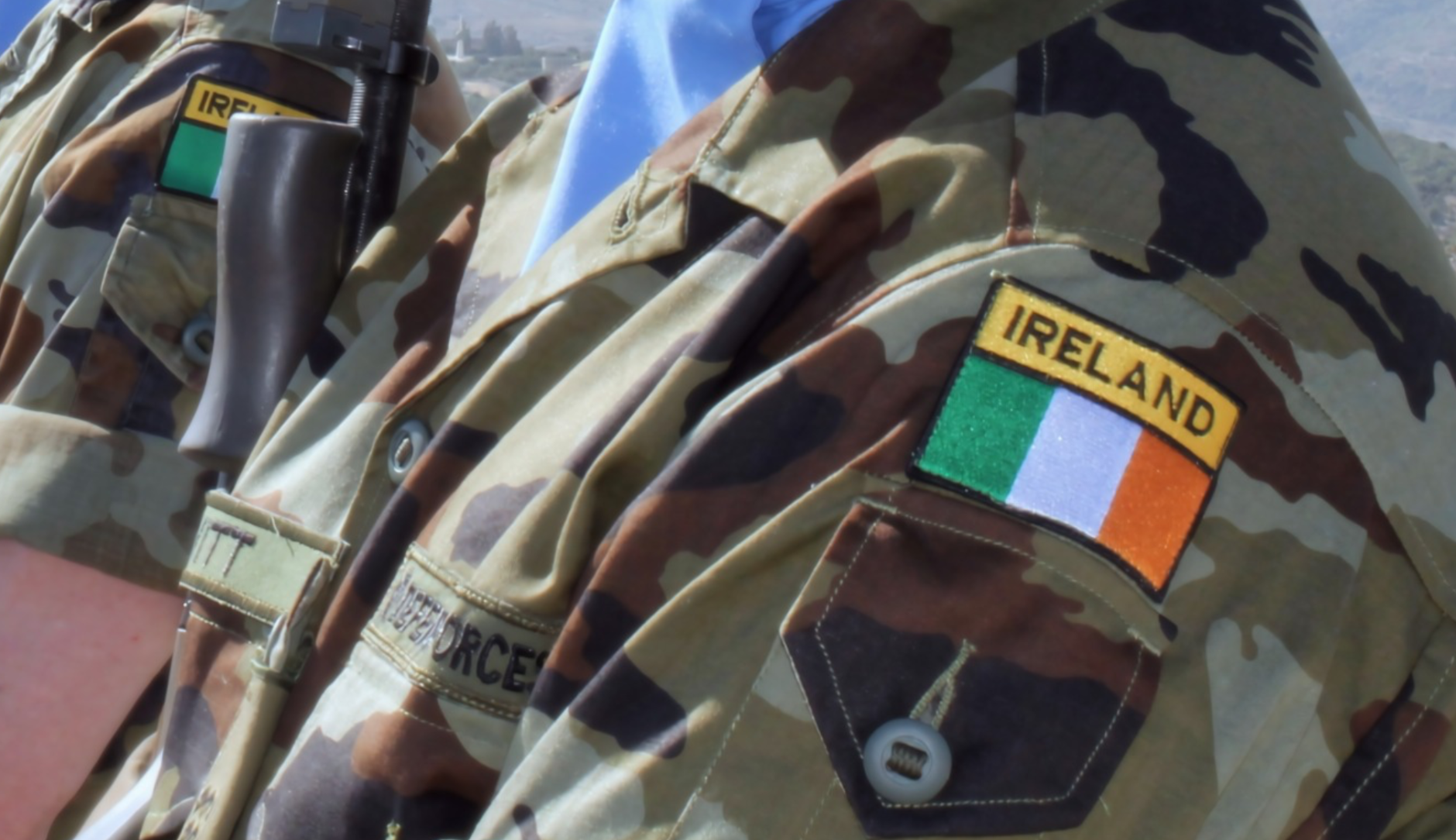
Ireland's commitment to international peacekeeping and the principles of peaceful resolution of disputes is deeply rooted in our foreign policy tradition. Our record as the country with the longest unbroken record of peacekeeping in the world, and the exemplary conduct and contributions of our Defence Forces on those missions, is rightly a source of pride. This tradition must be preserved, but we must distinguish between the principles underpinning our foreign policy and the legal mechanisms of the day through which it has been pursued. The triple lock was intended to safeguard Ireland's independent decision-making, democratic accountability and commitment to international peace. Today, given the dysfunction at the UN Security Council, what once was a safeguard now undermines those very principles.
Under the existing arrangements, the permanent members of the Security Council can effectively determine whether Ireland is permitted to participate in certain international missions. This gives countries such as Russia, China and indeed the current US administration the capacity to obstruct Irish participation for reasons that may have little to do with the mission itself. This arrangement is irreconcilable with an independent foreign policy or with Ireland's responsibility to contribute to European and international security.
The consequences are this year becoming impossible to ignore. In May 2026, Ireland ended its participation in Operation IRINI, the EU's naval mission supporting implementation of the UN arms embargo on Libya, after the Security Council failed to renew the authorisation underpinning its inspections. Four Irish Defence Forces personnel had to leave, while the EU operation continued with the participation of other member states. Ireland's contribution was lost because of an absence of leadership in New York, rather than an assessment by our own elected representatives of the mission's merits or Ireland's national interests.
The same problem will play out in Lebanon over the next few months. Irish soldiers have served with UNIFIL since 1978, and the mission's operational mandate is due to conclude on 31 December 2026, followed by a withdrawal phase during 2027. The European Union has established a separate support mission, EUSM Lebanon, to strengthen the capabilities of the Lebanese Armed Forces and Internal Security Forces. Its military component will provide advice and training in areas including border security, maritime security, intelligence and operational coordination. Its civilian component will support the development of Lebanon's internal security institutions.
This is not a replacement for UNIFIL, nor is it an attempt to continue UN peacekeeping under a different name. It is a distinct EU mission addressing a different requirement: strengthening the capacity of the Lebanese state to exercise authority over its territory and provide security for its population. Yet Ireland's existing legislative framework significantly restricts our ability to contribute to such missions without a UN mandate.
There is a real danger that, in our determination to preserve the architecture but not the principles underlying our peacekeeping tradition, we will end up abandoning its substance. Ireland has spent decades building an international reputation through the professionalism, credibility and willingness of its Defence Forces to serve in difficult environments. That reputation depends on our continued willingness and ability to contribute. If the triple lock prevents Ireland from participating in the international missions that support security, stability and peace, we will gradually diminish our standing as an international partner and shrink our influence in the institutions and relationships where decisions about European and global security are made. We cannot expect to retain the standing earned through decades of international service while hobbling our ability to serve.
Some public debate has suggested that removing the triple lock would expose Irish soldiers to participation in a Lebanese civil war (among other potential conflicts), or that the EU intends to replace peacekeeping with peace enforcement. This conflates fundamentally different activities. Training and advising the armed forces of a recognised government, with that government's consent, does not in itself constitute participation as a belligerent in an internal conflict. Nor does the provision of security-sector assistance automatically constitute peace enforcement. The legal character of an operation depends on its mandate, activities, consent arrangements and applicable international law, not simply on the presence of military personnel.
This distinction raises a second concern with the Government's proposed legislation. The Defence (Amendment) Bill 2026 expressly provides for deployments as part of international forces undertaking peacekeeping, peace enforcement or conflict prevention, consistent with the principles of the UN Charter. However, it does not define these terms or clearly distinguish between them. Peacekeeping and peace enforcement are not interchangeable. Traditional peacekeeping generally operates with the consent of the principal parties to a conflict and relies on impartiality and the limited use of force. Peace enforcement can involve the use of military force without the consent of those parties. These differences have significant implications for the nature, risks and political legitimacy of an operation.
Volt Ireland therefore believes that removing the UN Security Council requirement should be accompanied by clearer statutory safeguards. Legislation should define peacekeeping and peace enforcement, establish the circumstances in which each may be undertaken, and distinguish both from other forms of international security assistance, including training, advisory and capacity-building missions. Proposed deployments should also be subject to a transparent legal assessment of their mandate, objectives and consistency with international law. Parliamentary oversight should remain central, with the Oireachtas receiving meaningful information about the purpose, scope and duration of overseas deployments.
The principle at stake is straightforward. Ireland should retain the ability to decide, through its own democratic institutions, whether and how its Defence Forces contribute to international peace and security. That decision must be grounded in international law, accountable to the Irish people and informed by the actual character of the mission concerned. It should not depend on whether one of five permanent members of the Security Council chooses to permit it.
We should not lose sight of the purpose of our peacekeeping tradition while defending the defunct mechanism through which it was once expressed. Ireland's contribution to international peace is measured by what we are prepared and able to do, not by preserving a procedural arrangement that can prevent us from doing it. Volt Ireland supports removing the triple lock's UN mandate requirement, while ensuring that the law clearly defines and safeguards the purposes for which Irish personnel may be deployed overseas.