COP31 and the unfinished business of climate action
Following the disappointing outcome of COP31, we explore the influence of the fossil fuel industry, the shortcomings of international climate finance and Ireland’s role in the transition to a sustainable future.
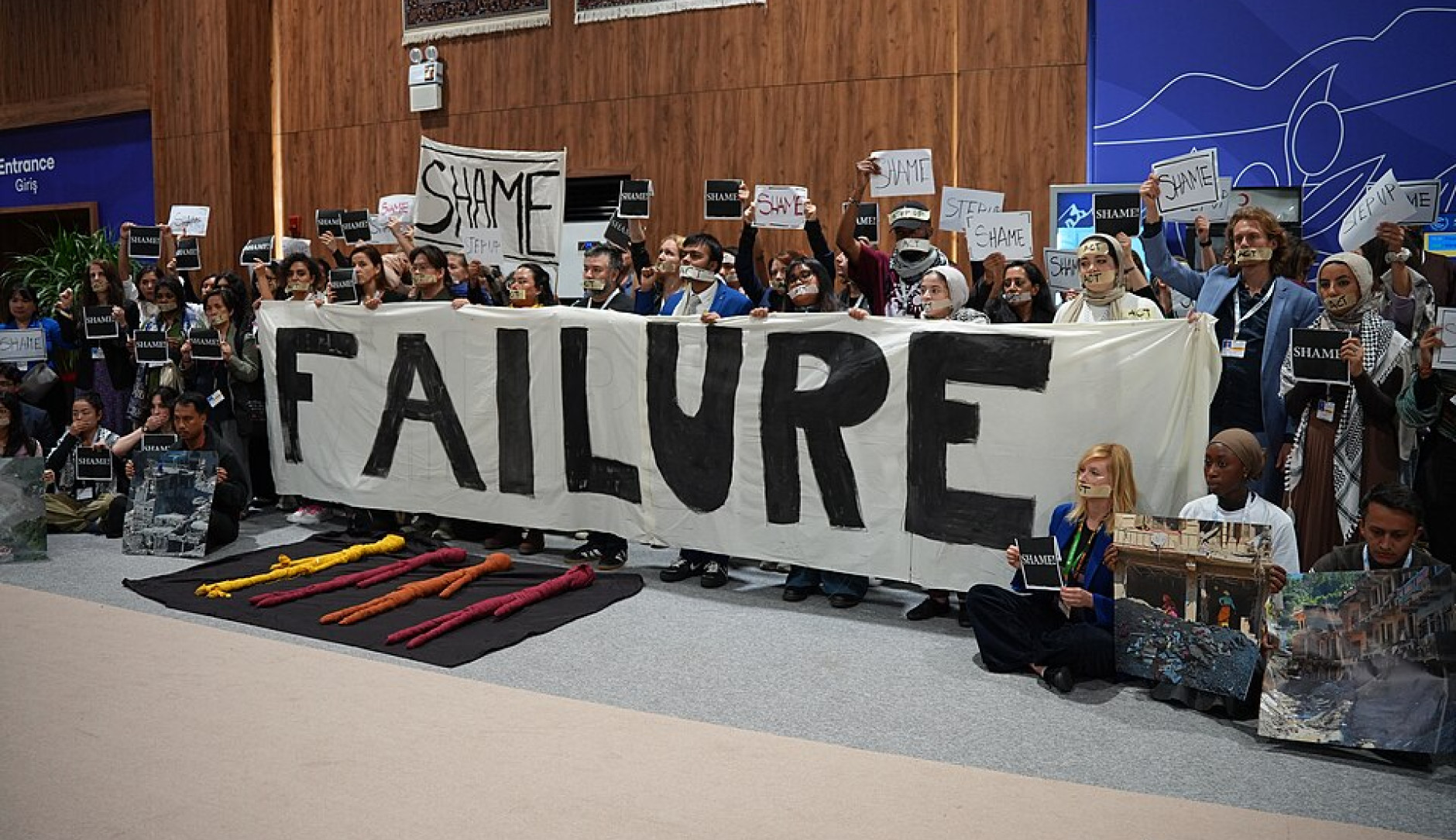
In Antalya, Turkey, on Sunday 22 November, the biggest climate change conference failed over the mention of fossil fuels. A disappointing but not entirely surprising outcome of the negotiations.
The power of the fossil fuel industry and the large number of lobbyists who attended the conference, advocating for the opposite of what should be strived for, steered COP31 in a direction that negatively impacts all our futures. At the same time, fossil fuel companies are posting record profits; for example, Shell's profits doubled to $10.8bn in the July-September quarter after the Middle East conflict drove up oil and gas prices. This conflict also greatly influenced gas prices in Ireland, putting pressure on the Irish government to come to our aid. This profit, that we have all contributed to, can be used to lobby against our interests and destroy the future we want for ourselves and our children.
Not only do the fossil fuel lobbyists obstruct a future-proof resolution. To move towards a just, sustainable transition, wealthy countries need to take responsibility and provide aid to developing countries to reduce their emissions and transition to green industries. The European Union failed to meet these finance needs.
This outcome does not mean all is lost. It just shows that real change at all levels of government is necessary. Individual and community action is also vital. Communities are already creating and implementing sustainable solutions globally, building towards a clean future. In Ireland and the EU, we need to keep advocating for this future and scale the incredible sustainable innovations that already exist in the country, from highly advanced technologies to ancient traditional knowledge. Furthermore, Ireland needs to reduce its dependency on fossil fuels, thereby limiting the industry's power and the impact of Middle Eastern conflict. It can do that by switching to renewables on a large scale and improving public transport. Solutions that Volt Ireland supports.
Lastly, we as a country need to take responsibility and provide aid when necessary to developing countries, as these countries are experiencing the worst climate change effects, including droughts and extreme weather, and have the fewest resources to respond to climate disasters. Moreover, many of the EU’s most polluting industries are displaced to developing nations to increase profits and avoid environmental regulations. This easily brings down our emissions while increasing emissions in developing countries, and we profit.
Lead image courtesy of Xuthoria, CC BY-SA 4.0, via Wikimedia Commons
